Introduction
The rich, fertile soils of Kenya, once teeming with life and promise, have been steadily degrading over the years, threatening the livelihoods of countless farmers and the food security of the nation. Soil erosion, nutrient depletion, and poor water retention have become all too common afflictions, leaving many smallholder farmers struggling to eke out a meager harvest. Yet, amidst this dire landscape, a beacon of hope emerges: cover crops.
These unsung heroes of the agricultural world have the potential to transform Kenya's agricultural landscape, injecting life back into the soil, and unlocking a bounty of benefits for farmers, their communities, and the environment. In this article, we'll explore the world of cover crops, exploring the transformative power they hold for Kenyan farmers, and uncovering the secrets to harnessing their full potential for a thriving, sustainable harvest.

The State of Kenyan Soil: Understanding the Challenges
Kenya, a country renowned for its rich agricultural heritage, is facing a daunting reality: its soil is deteriorating at an alarming rate. The once-fertile lands that have supported generations of farmers are now struggling to yield the same bounty. Soil erosion, nutrient depletion, and poor soil structure have become the norm, leaving many farmers wondering how to reverse this trend. The statistics are staggering: it's estimated that Kenya loses over 300 million tons of topsoil every year, equivalent to a staggering 1.5 million acres of arable land. The consequences are far-reaching, with reduced crop yields, decreased water retention, and increased soil salinity all taking a toll on the country's agricultural productivity. The root of the problem lies in the intensive farming practices that have become prevalent in Kenya, which have led to the degradation of the soil's natural ecosystem. It's clear that a new approach is needed, one that prioritizes soil health and regeneration. This is where cover crops come in - a simple yet powerful tool that can help restore Kenya's soil to its former glory, and unlock a thriving harvest for generations to come.

What are Cover Crops and How Do They Work?
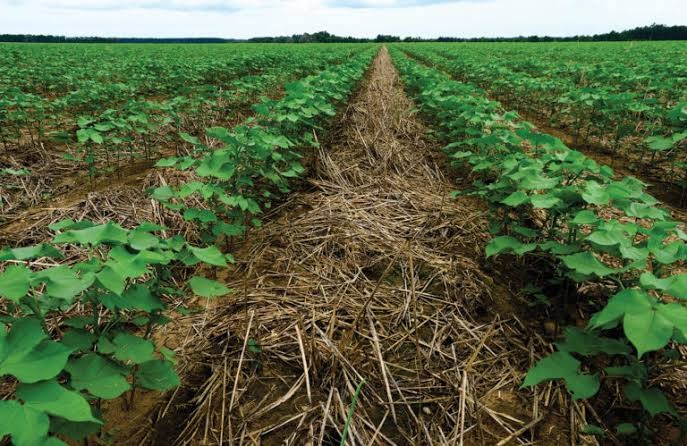
In the vast, sun-kissed fields of Kenya, where agriculture is the backbone of the economy, a quiet revolution is taking root. Cover crops, a type of crop grown specifically to protect and enrich the soil, are transforming the way farmers approach their craft. But what exactly are cover crops, and how do they work their magic? Simply put, cover crops are plants that are deliberately grown between crop cycles to enhance the health and fertility of the soil. They are not intended for human consumption, but rather to serve as a shield against erosion, a sponge for excess nutrients, and a haven for beneficial insects and microorganisms. As they grow, cover crops spread their roots deep into the earth, breaking up compacted soil and allowing air and water to penetrate. They also act as a trap crop, luring pests away from cash crops and reducing the need for chemical pesticides. As they mature, cover crops are either incorporated into the soil or used as a mulch, adding a rich layer of organic matter that teems with life. By harnessing the power of cover crops, Kenyan farmers can unlock a more resilient, productive, and sustainable harvest – one that is better equipped to withstand the challenges of climate change and ensure a brighter future for generations to come.

The Benefits of Cover Crops for Kenyan Farmers
The humble cover crop, often overlooked and underutilized, holds the key to unlocking a thriving harvest for Kenyan farmers. By incorporating these simple yet powerful crops into their agricultural routine, farmers can reap a multitude of benefits that will transform their yields and their livelihoods. For one, cover crops act as a natural shield against soil erosion, protecting the precious topsoil from the harsh effects of rain and wind. This not only prevents the loss of valuable nutrients but also reduces the need for costly fertilizers. Additionally, cover crops attract beneficial insects and microorganisms, which in turn, improve soil health and structure. This leads to a significant increase in crop yields, as well as a reduction in the need for pesticides and other chemicals. Furthermore, cover crops provide a natural means of controlling pests and diseases, reducing the financial burden of crop protection. Perhaps most importantly, cover crops offer a valuable source of additional income, as they can be harvested and sold as a nutritious livestock feed or used to create a sustainable source of organic fertilizer. By embracing the power of cover crops, Kenyan farmers can break free from the cycle of poverty and build a brighter, more sustainable future for themselves and their communities.

Choosing the Right Cover Crops for Your Farm
As you embark on the journey of incorporating cover crops into your Kenyan farm, it's essential to select the right ones that will thrive in your region's climate and soil conditions. With a diverse range of cover crops to choose from, it's crucial to consider factors such as soil type, moisture levels, and pest management when making your selection. For example, legumes like cowpeas and beans are ideal for nitrogen-fixing and can benefit from Kenya's warm climate, while grasses like oats and rye are better suited for cooler seasons and can help control soil erosion. Additionally, crops like sunflowers and sorghum can provide shade and act as a natural barrier against pests and diseases. By choosing the right cover crops for your farm, you'll be able to unlock their full potential and reap the rewards of a healthier, more resilient soil that will ultimately lead to a more bountiful harvest.

Implementing Cover Crops in Your Farming Practice
As you prepare to incorporate cover crops into your farming practice, envision a lush, vibrant landscape that teems with life and fertility. Imagine the rich, earthy aroma of soil teeming with microorganisms, and the sight of beneficial insects flitting from flower to flower. This is the promise of cover crops, a simple yet powerful technique that can transform your farm into a thriving ecosystem. By planting cover crops in the off-season, you can break the cycle of soil degradation, reduce erosion, and create a haven for beneficial insects and microorganisms. As you begin to implement cover crops, you'll notice a dramatic shift in the health and resilience of your soil. Your crops will grow stronger, more resilient, and more productive, while your soil becomes a vibrant, thriving ecosystem that supports a diverse array of life. With careful planning and execution, cover crops can become a game-changer for your farm, unlocking a new level of productivity, profitability, and sustainability.
Conclusion
As the sun rises over the rolling hills of Kenya's fertile landscape, the promise of a bountiful harvest beckons. By embracing the transformative power of cover crops, Kenyan farmers can unlock the full potential of their land, cultivating a thriving agricultural ecosystem that nourishes both people and planet. With every seed sown, a new chapter unfolds, one of resilience, sustainability, and prosperity. As we look to the future, the rewards of cover cropping are clear: improved soil health, increased crop yields, and a more resilient food system. By sowing the seeds of success, Kenya's farmers can reap a harvest that not only feeds their families but also strengthens their communities, fostering a brighter future for generations to come.