Introduction
Imagine stepping out onto your balcony in Nairobi and picking fresh, leafy greens for your dinner. Or, picture a vibrant community garden thriving on a previously unused plot of land. This isn't science fiction; it's the growing trend of urban agriculture in Kenyan cities.
Traditionally, agriculture has been associated with rural areas. However, Kenya is witnessing a surge in urban farming, where fresh food is cultivated within city limits. This exciting trend encompasses various techniques, including:
- Rooftop gardens: Transforming rooftops into productive spaces for growing vegetables, herbs, and even fruits.
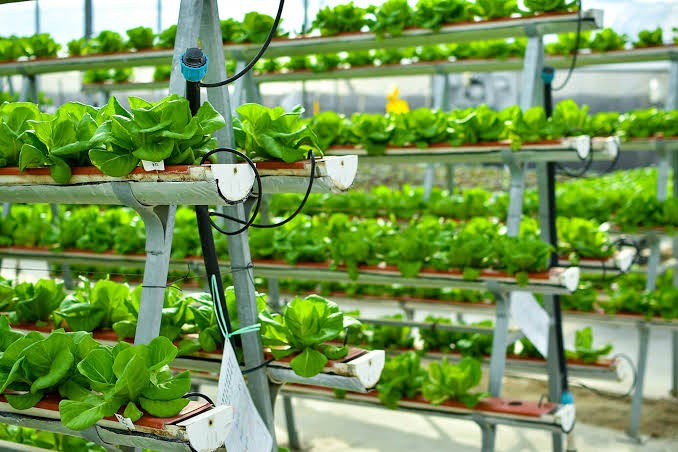
- Vertical farming: Utilizing vertical structures to maximize limited space, often indoors, with the help of hydroponics (growing plants without soil).

- Container gardens: Repurposing containers like buckets, drums, or even old tires into mini-gardens for balconies and patios.
Benefits of Urban Farming in Kenyan Cities
This innovative approach to food production brings a multitude of benefits to Kenyan cities:
- Increased Food Security: Urban farming empowers communities to grow their own food, reducing dependence on external sources and potential disruptions in the food supply chain.
- Reduced Transportation Costs: By growing food locally, urban agriculture cuts down on the distance food travels to reach consumers, leading to fresher produce and lower transportation costs.
- Enhanced Community Engagement: Urban farms and gardens can become vibrant community hubs, fostering social interaction, promoting environmental awareness, and creating a sense of shared ownership over fresh food production.

Challenges and Solutions: Access to Resources in Urban Areas
While the potential of urban agriculture is undeniable, challenges do exist. Access to land, water, and resources like seeds and fertilizers can be limited in densely populated areas. However, resourceful Kenyans are finding solutions:
- Rooftops and Unused Spaces: By utilizing unconventional spaces like rooftops and vacant plots, communities are overcoming land scarcity.
- Water Conservation Techniques: Innovative methods like rainwater harvesting and greywater recycling are being employed to make the most of available water resources.
- Knowledge Sharing and Collaboration: Local organizations and NGOs are providing training and support to help communities establish and maintain successful urban farms.
The Future of Urban Agriculture in Kenya
Urban agriculture is not just a trend; it's a movement with the potential to transform Kenyan cities into centers of self-sufficiency and sustainability. By embracing innovation, overcoming challenges, and fostering collaboration, communities are cultivating a brighter future where fresh, healthy food is readily available, right within city limits.
Harnessing the Power of Urban Agriculture
Are you interested in getting involved in urban agriculture? Here are some ways to participate:
- Start Your Own Rooftop Garden: Even a small space can be used to grow herbs, greens, and some vegetables.

- Join a Community Garden: Many neighbourhoods are establishing community gardens where residents can work together and share resources.
- Support Local Urban Farmers: By purchasing produce from urban farms, you directly contribute to the movement's success.
Urban agriculture offers a unique opportunity to address food security, environmental concerns, and community engagement in Kenyan cities. With a little ingenuity and collaboration, the future of Kenyan agriculture is looking fresh and verdant.